


Best
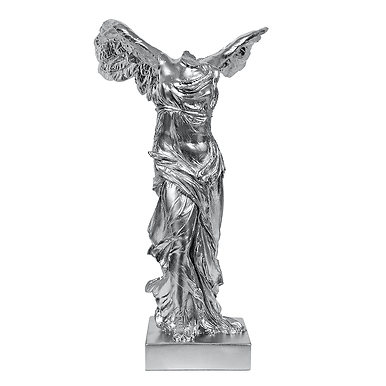
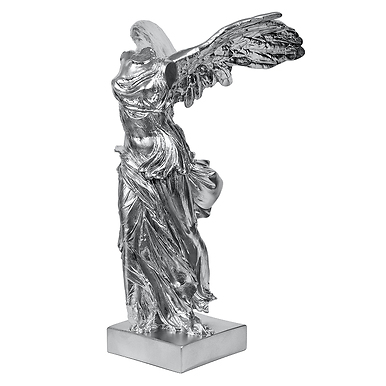
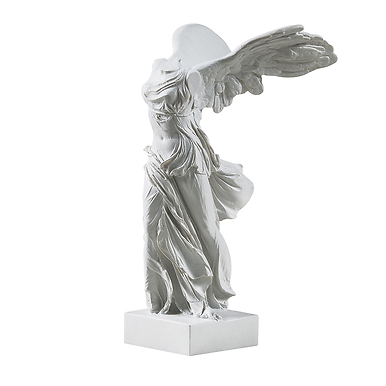
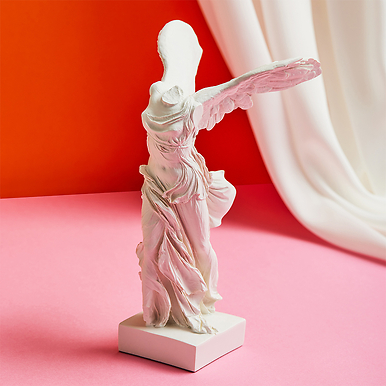
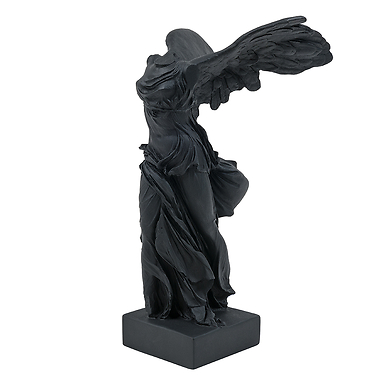
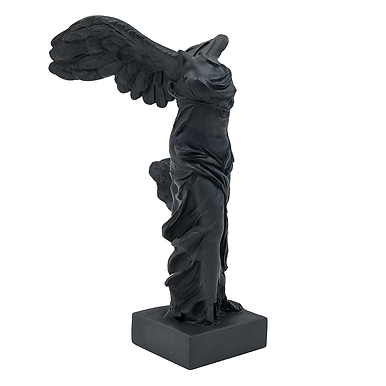
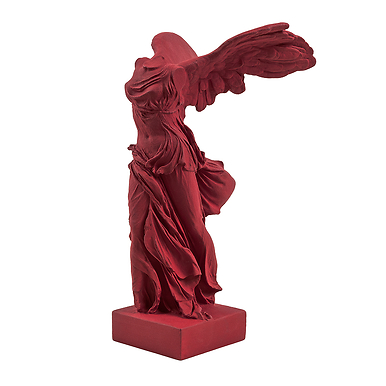
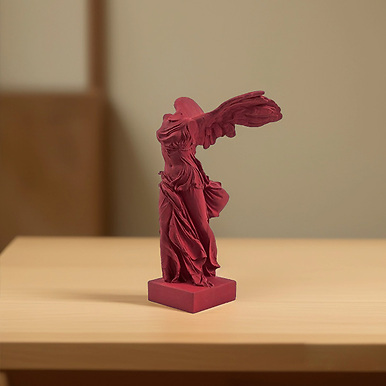
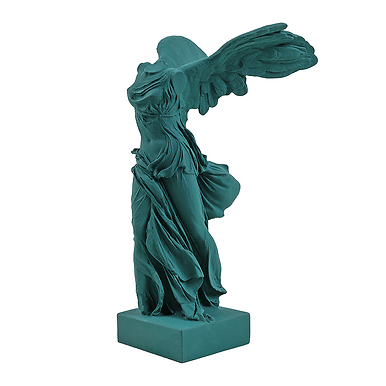
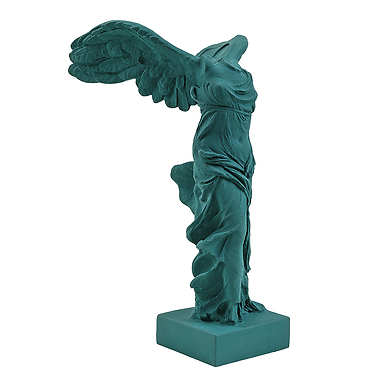
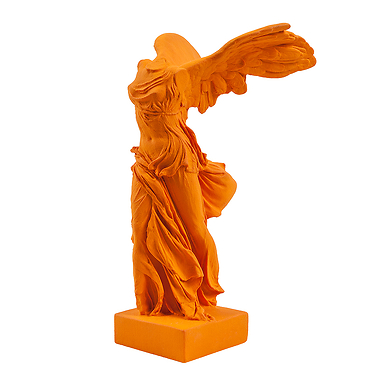
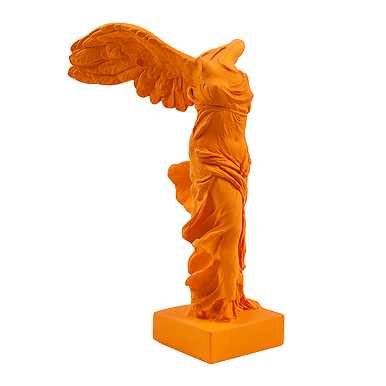
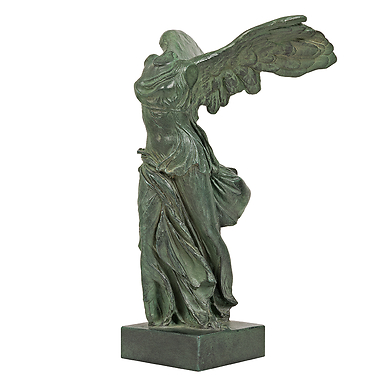
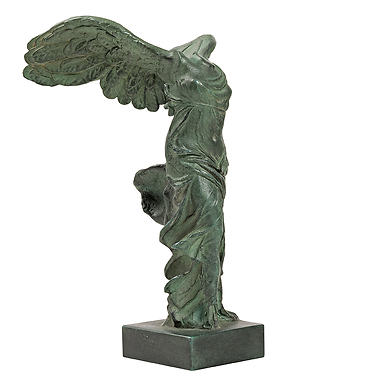
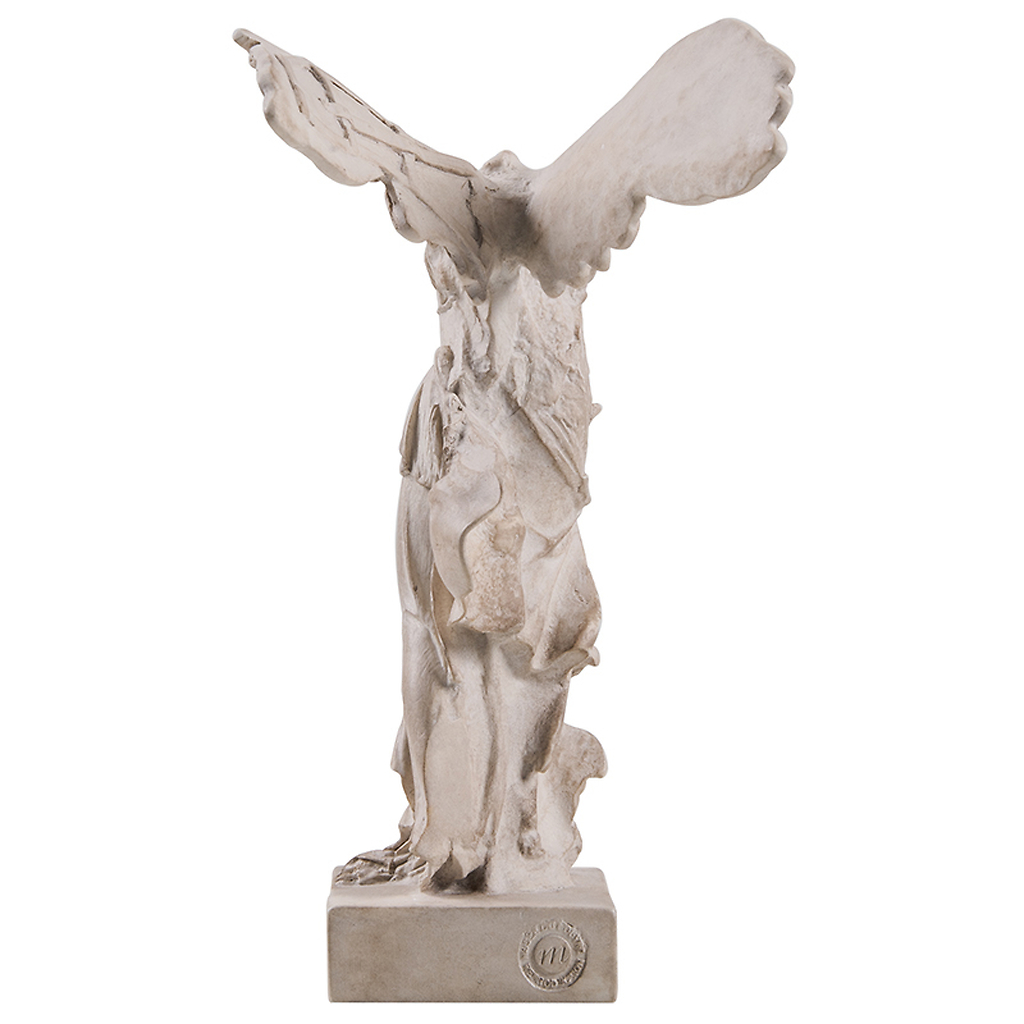
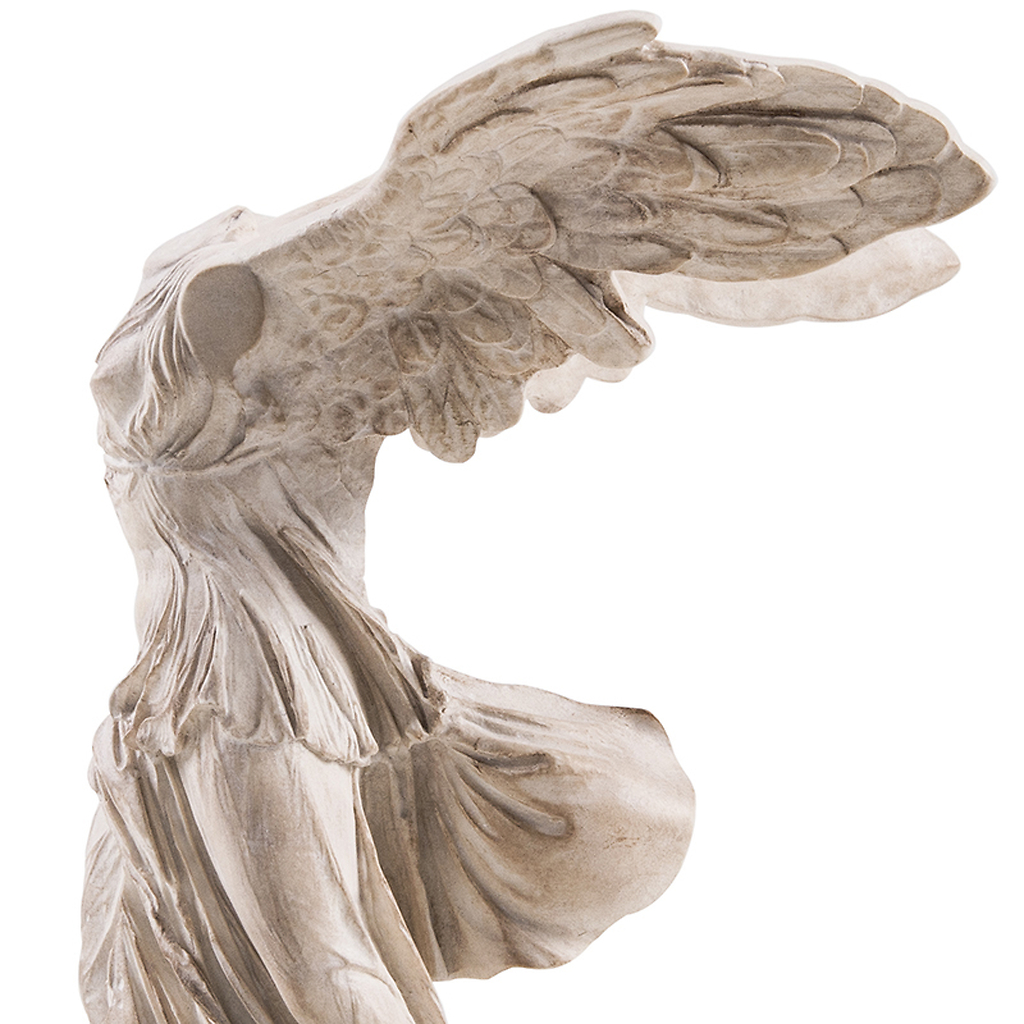
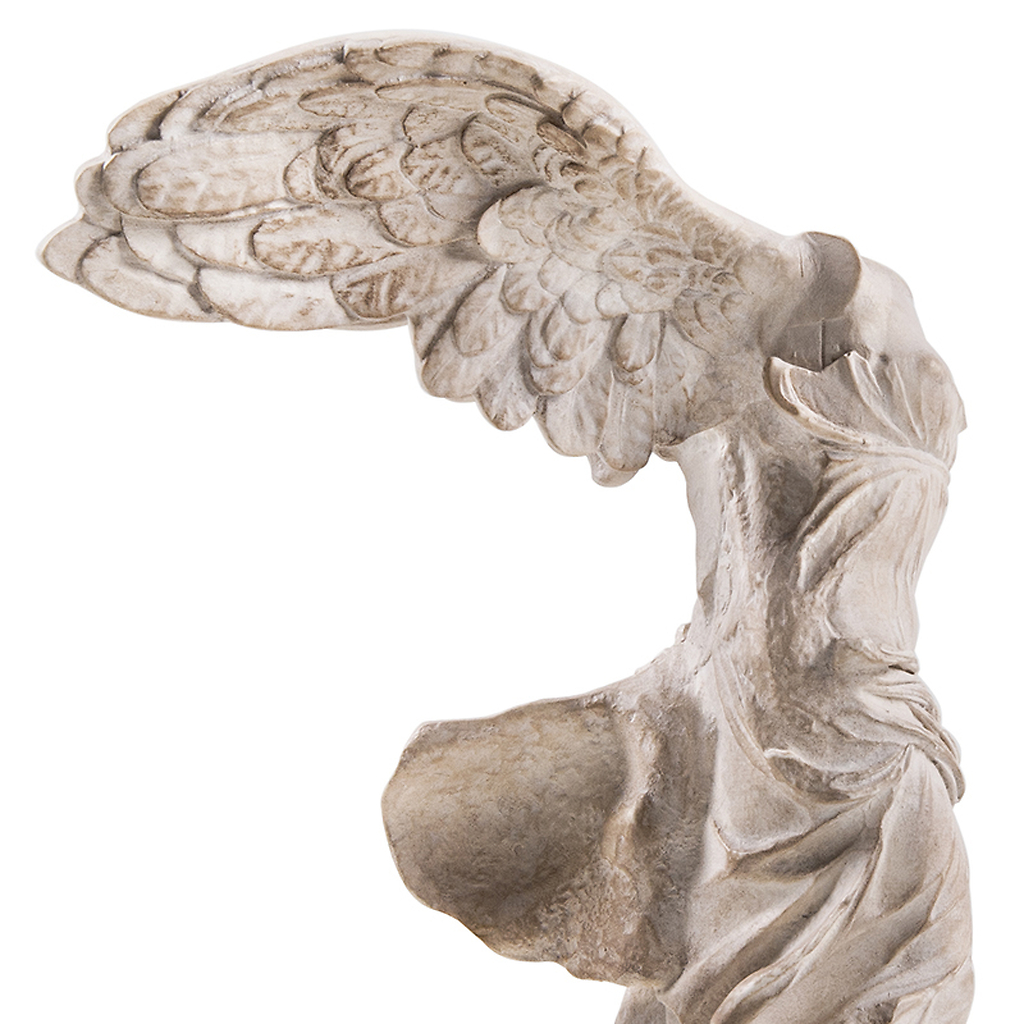
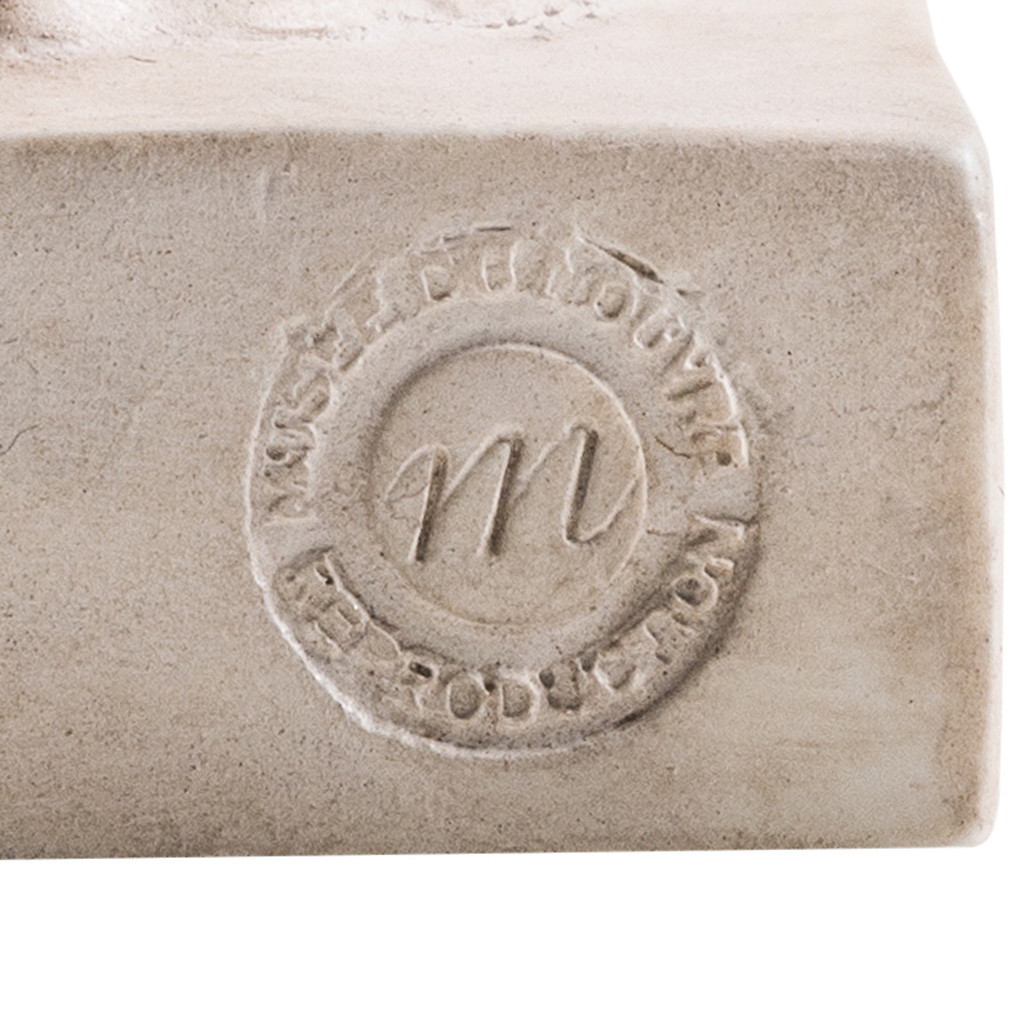
Sculpture Victory of Samothrace - 18 to 50 cm
RB002021
Read more
Sold by GrandPalaisRmn
- Maintenance
- Ne pas exposer à une source de chaleur directe. Nettoyage : chiffon doux et sec
- Material of the original work
- Marbre de Paros
- Material
- Resin
- Art movements
- Greek, Etruscan and Roman Antiquities, Gallo-roman antiquities, Antiquités gréco-romaines
- Original work kept at
- Delphes, Musée Archéologique
- 18 cm
- Reference
- RB002021
- EAN
- 3336721120565
- Model dimensions
- 11cm x 9cm x 18cm
- 34 cm
- Reference
- RB002022
- EAN
- 3336721120572
- Model dimensions
- 20cm x 19cm x 34cm
- 50 cm
- Reference
- RB002074
- EAN
- 3336721121043
- Model dimensions
- 24cm x 31cm x 50cm
Official Louvre Museum Shop
Secure payment CB, Visa, Mastercard, Amex, Paypal
Satisfied or refunded 14 days to change your mind
Shipping within 1 to 2 working days according to the delivery option chosen
- Maintenance
- Ne pas exposer à une source de chaleur directe. Nettoyage : chiffon doux et sec
- Material of the original work
- Marbre de Paros
- Material
- Resin
- Art movements
- Greek, Etruscan and Roman Antiquities, Gallo-roman antiquities, Antiquités gréco-romaines
- Original work kept at
- Delphes, Musée Archéologique
- 18 cm
- Reference
- RB002021
- EAN
- 3336721120565
- Model dimensions
- 11cm x 9cm x 18cm
- 34 cm
- Reference
- RB002022
- EAN
- 3336721120572
- Model dimensions
- 20cm x 19cm x 34cm
- 50 cm
- Reference
- RB002074
- EAN
- 3336721121043
- Model dimensions
- 24cm x 31cm x 50cm
Official Louvre Museum Shop
Secure payment CB, Visa, Mastercard, Amex, Paypal
Satisfied or refunded 14 days to change your mind
Shipping within 1 to 2 working days according to the delivery option chosen