Written in French
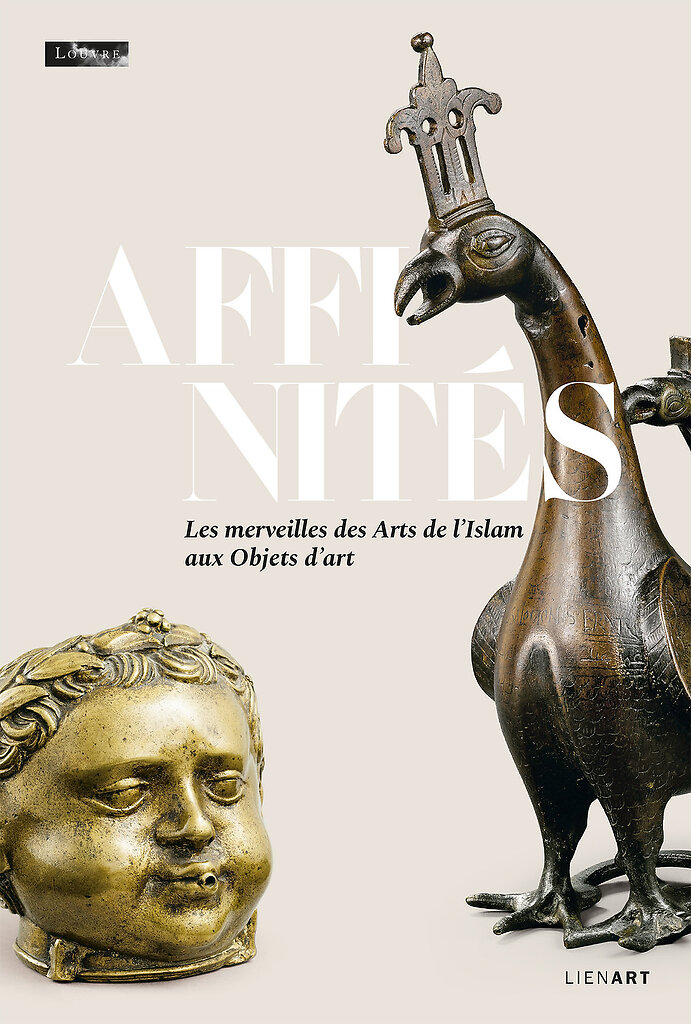
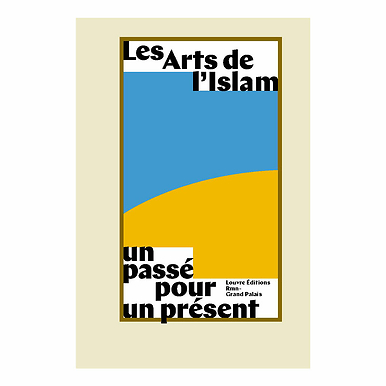
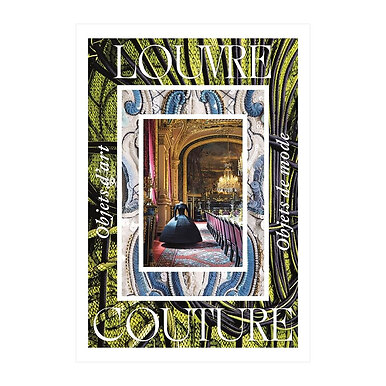
Works of art have maintained a close connection with the arts of the Islamic world from the medieval period through to the history of the Louvre Museum-for a long time, they were displayed together there. This book presents a dialogue between twenty objects from the Islamic arts and works of art from the 9th to the 17th centuries, made of a wide variety of materials and from diverse origins, organized around four themes: light, color, sculpture, and jade.
They tell the story of the fascination with materials and the major technical and aesthetic innovations in the Islamic world. The symbolism and aesthetics specific to Islamic art are also largely those that inspired and animated the production of European art objects, and that motivated their fascinated reception in the treasures and collections of France.
Consequently, the aim is to explore the perception of Islamic art in France, and more specifically within the Louvre's Department of Decorative Arts. This allows us both to trace a chapter in the history of taste and the perception of materials that were widely shared across the Mediterranean, Asia, and Europe; and to examine the shared history of the Department of Decorative Arts and Islamic art.
Consequently, many of the selected objects come from the earliest collections that joined the museum, beginning in the late 18th century and continuing through the following century, up to the major acquisitions of the Department of Decorative Arts prior to 1940. Presenting this selection of objects from an aesthetic and symbolic perspective is a deliberate choice: to explore the perception of beauty and the aesthetics of the visual arts in Islamic lands, and their encounters with those of the Department of Decorative Arts.
French
136 pages
Liénart Editions / Co-published with the Louvre Museum
The Authors:
Annabelle Collinet is in charge of the Medieval Iranian world collections in the Department of Islamic Art at the Musée du Louvre.
Philippe Malgouyres is Chief Curator in the Department of Decorative Arts at the Musée du Louvre.